Rainer Paananen, Aalto University
This project combined biomaterial research and sustainability strategy with science communication and publication design. The goal was to translate complex environmental research into an accessible visual report for broader impact.
Biomaterial Research and Sustainability Communications Design
Material experimentation at the intersection of chemistry and art
primary role
biomaterials designer and science communicator
time frame
2024
skills
material research, sustainability strategy, and visual communication
Outcomes
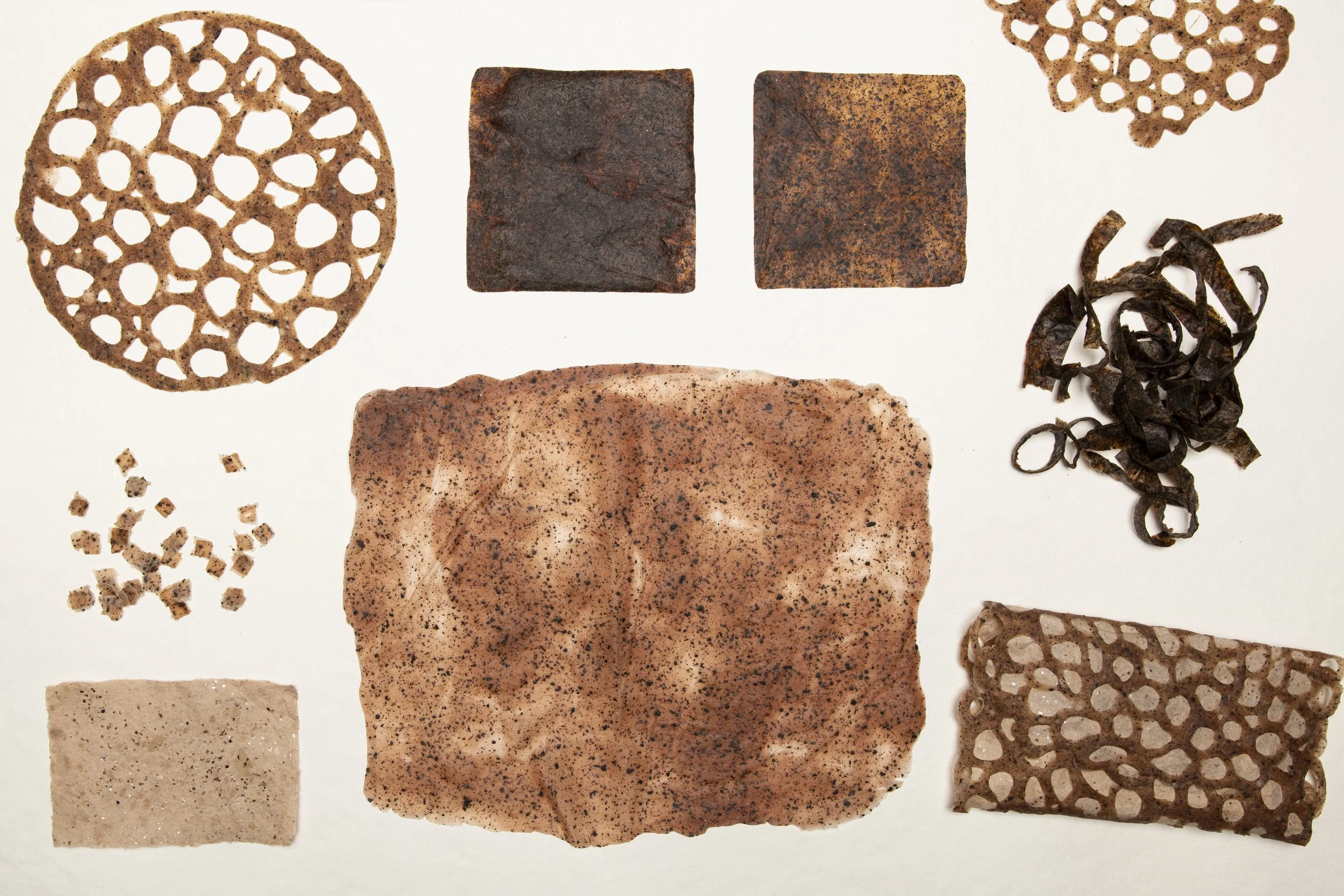
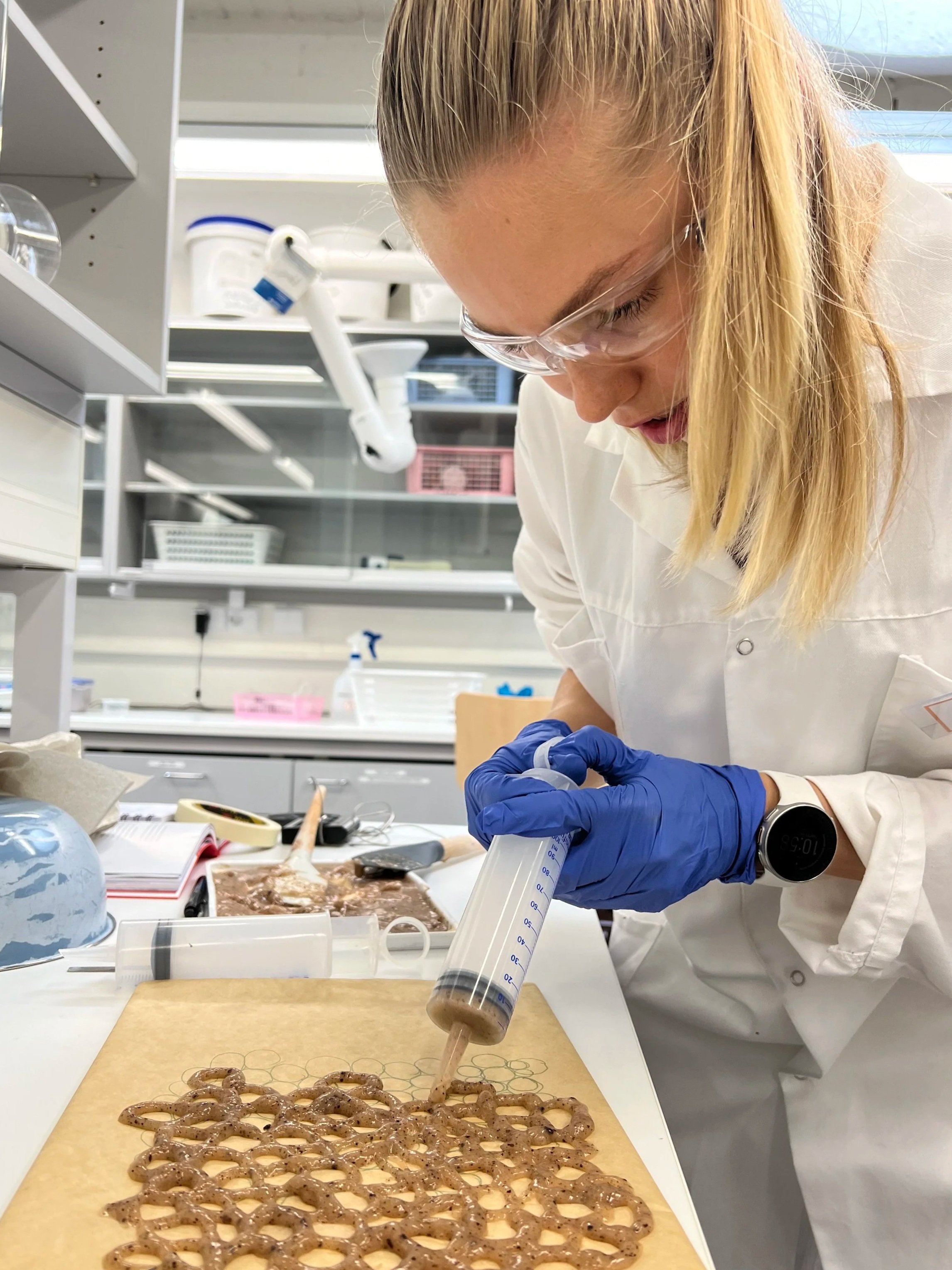
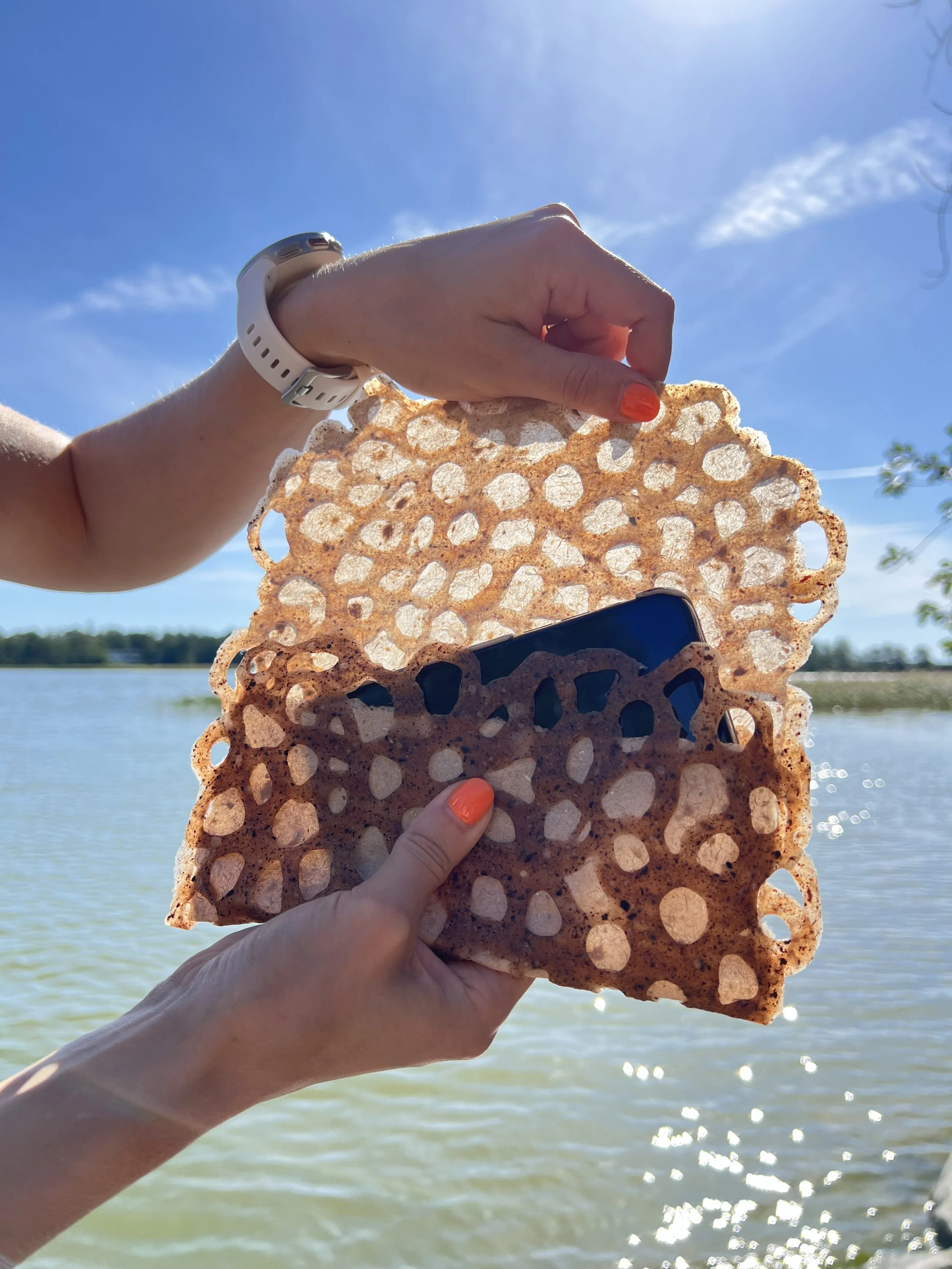
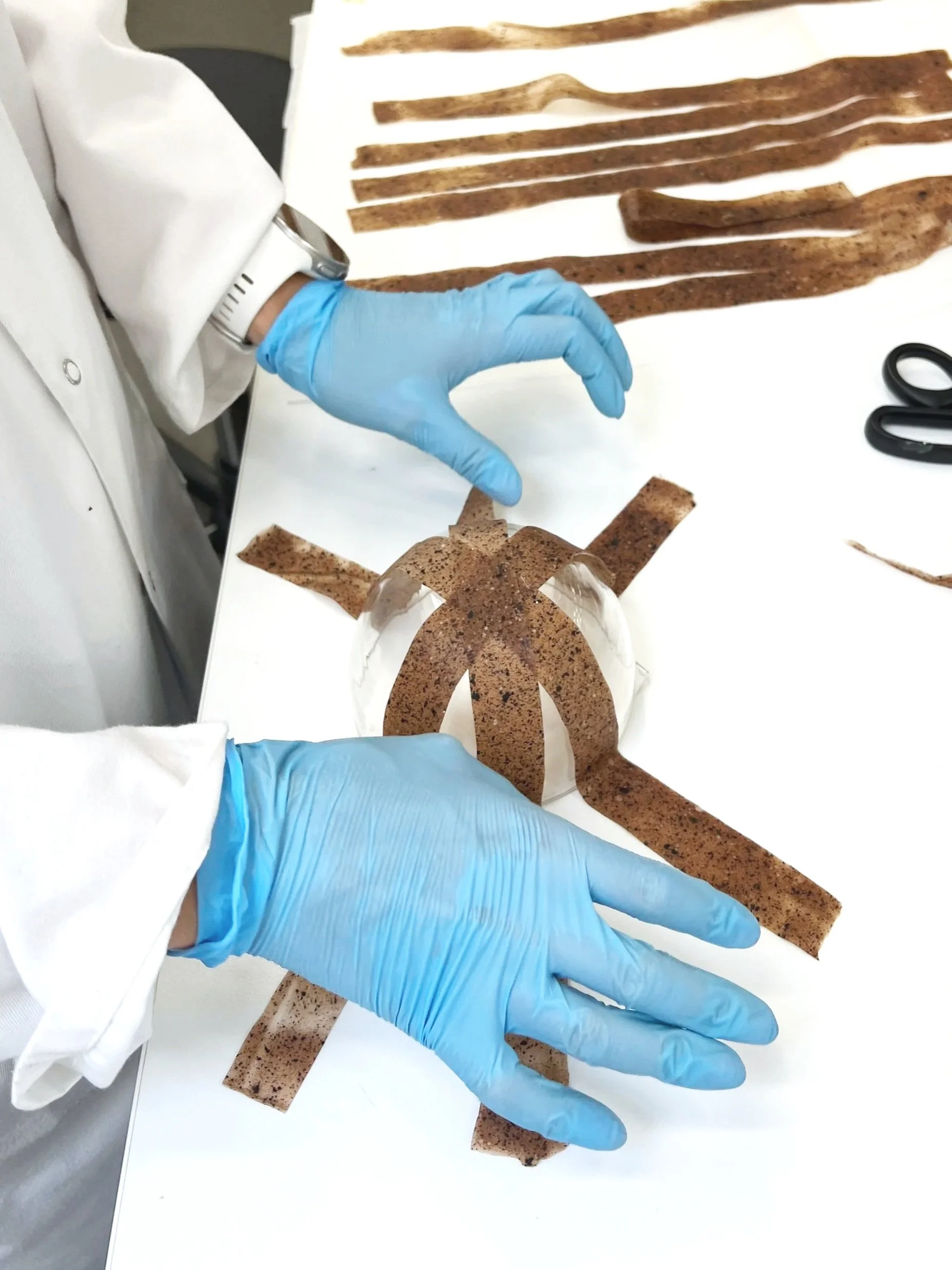
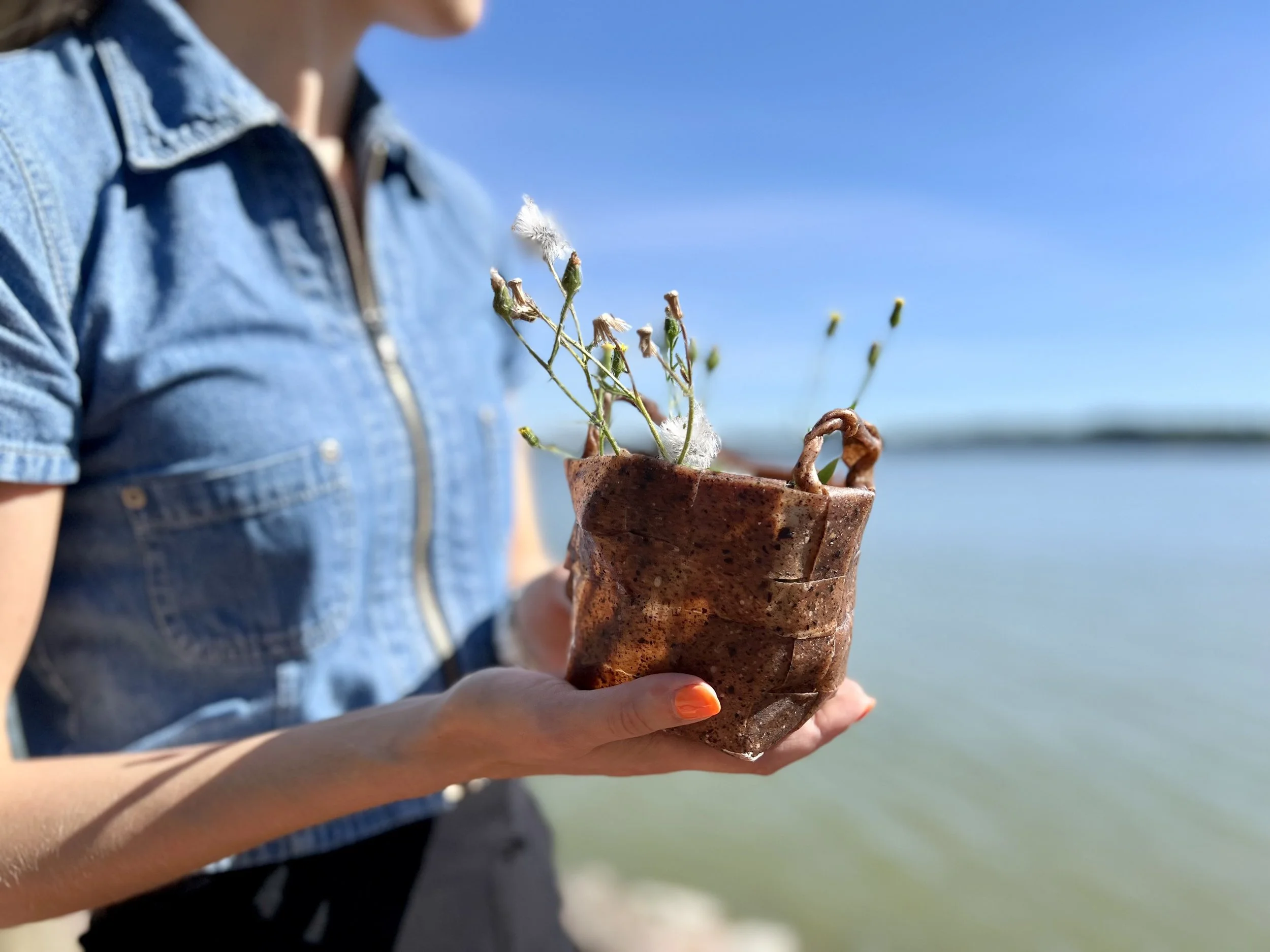
We created prototypes to showcase the material's adaptability and potential for diverse applications in textile design. For example, strips were woven into a basket and extruded material was made into a clutch. With these products, we demonstrated algae-based leather’s potential practical applications.
Sustainability Research Process
With my background studying microplastics, which can shed off our clothing and are increasingly recognized as a macro issue, and my partner’s work analyzing flame retardancy in textiles, we set out to develop a material that was: algal-based, textile-inspired, with a non-toxic coating, colorful, and aesthetic.
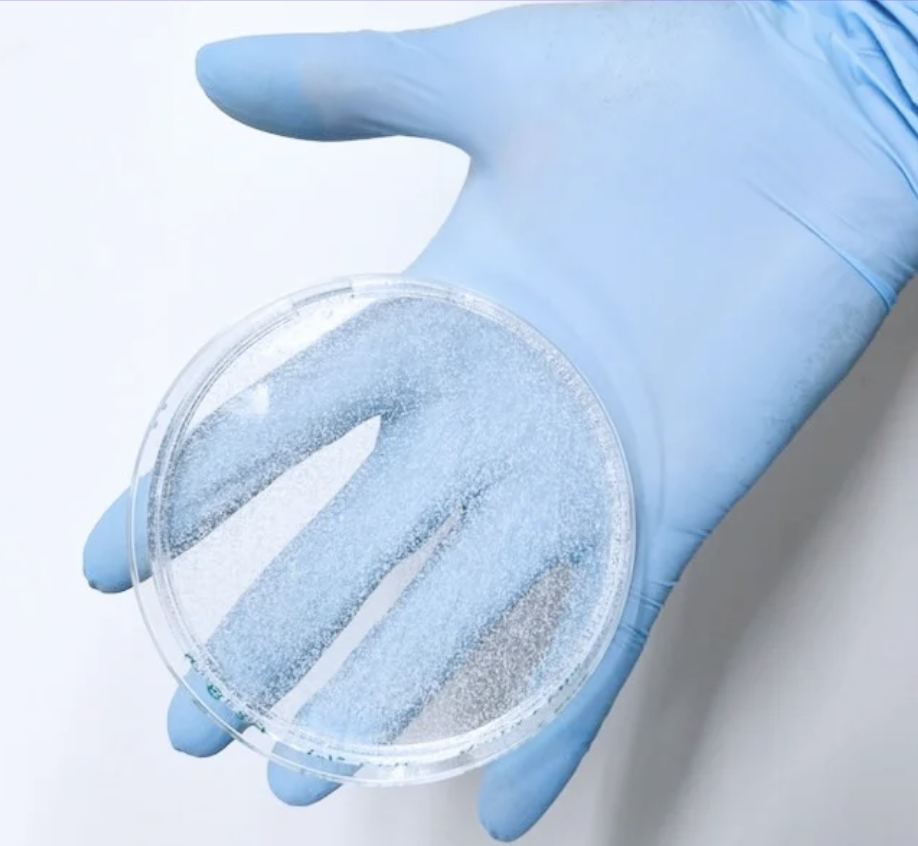
To begin to understand the properties of biomaterials with cellulose, we experimented with preexisting recipes.
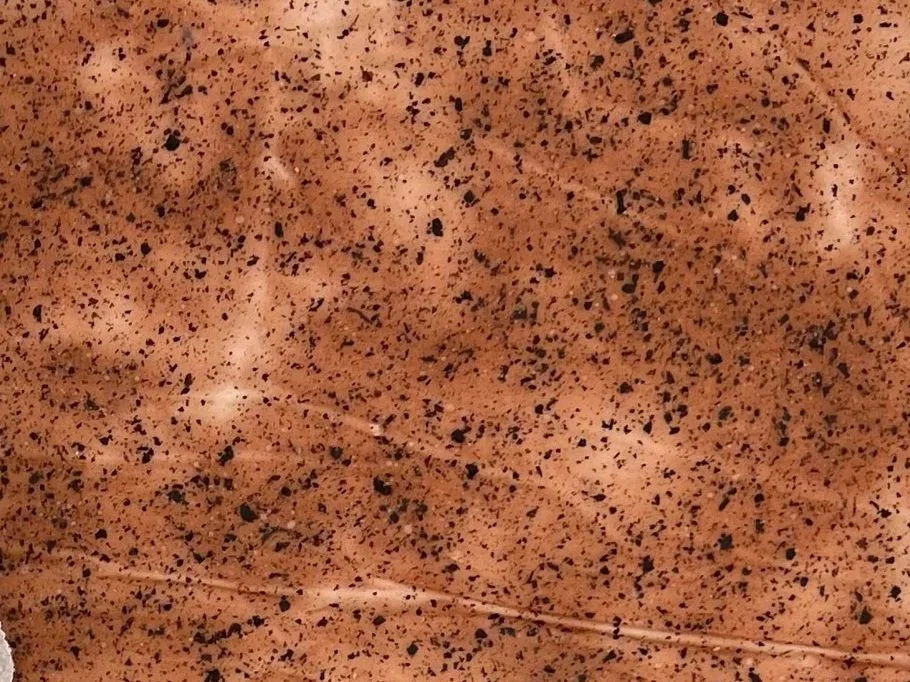
We did three algae/pulp trials, mixing various ratios of the two ingredients.
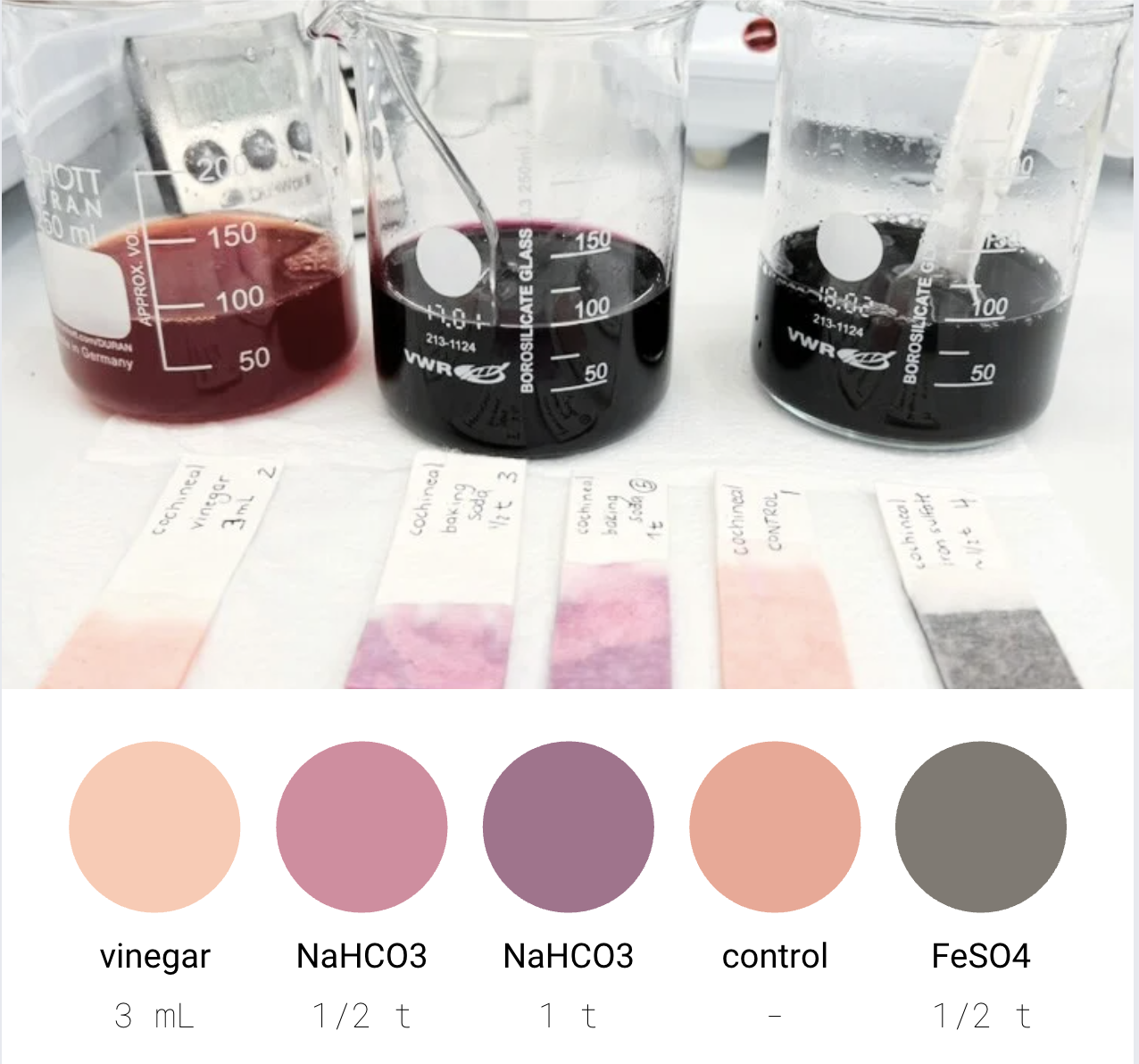
Exploring natural dyes. Playing with the pH of the dyes produced a beautiful variety of purples and pinks.
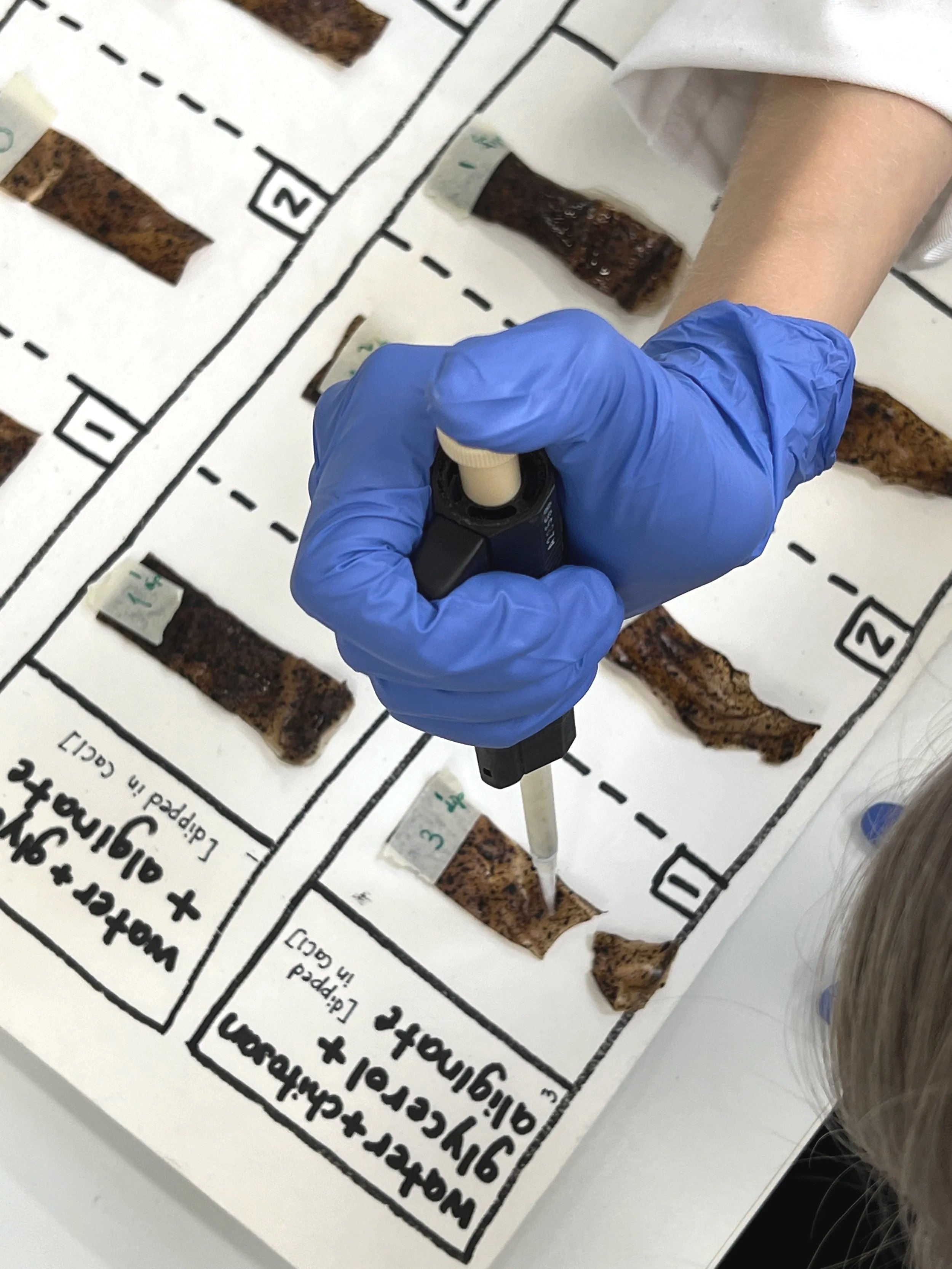
Prototyping a PFAS-free water repellent coating for the bioleather using sodium-alginate.
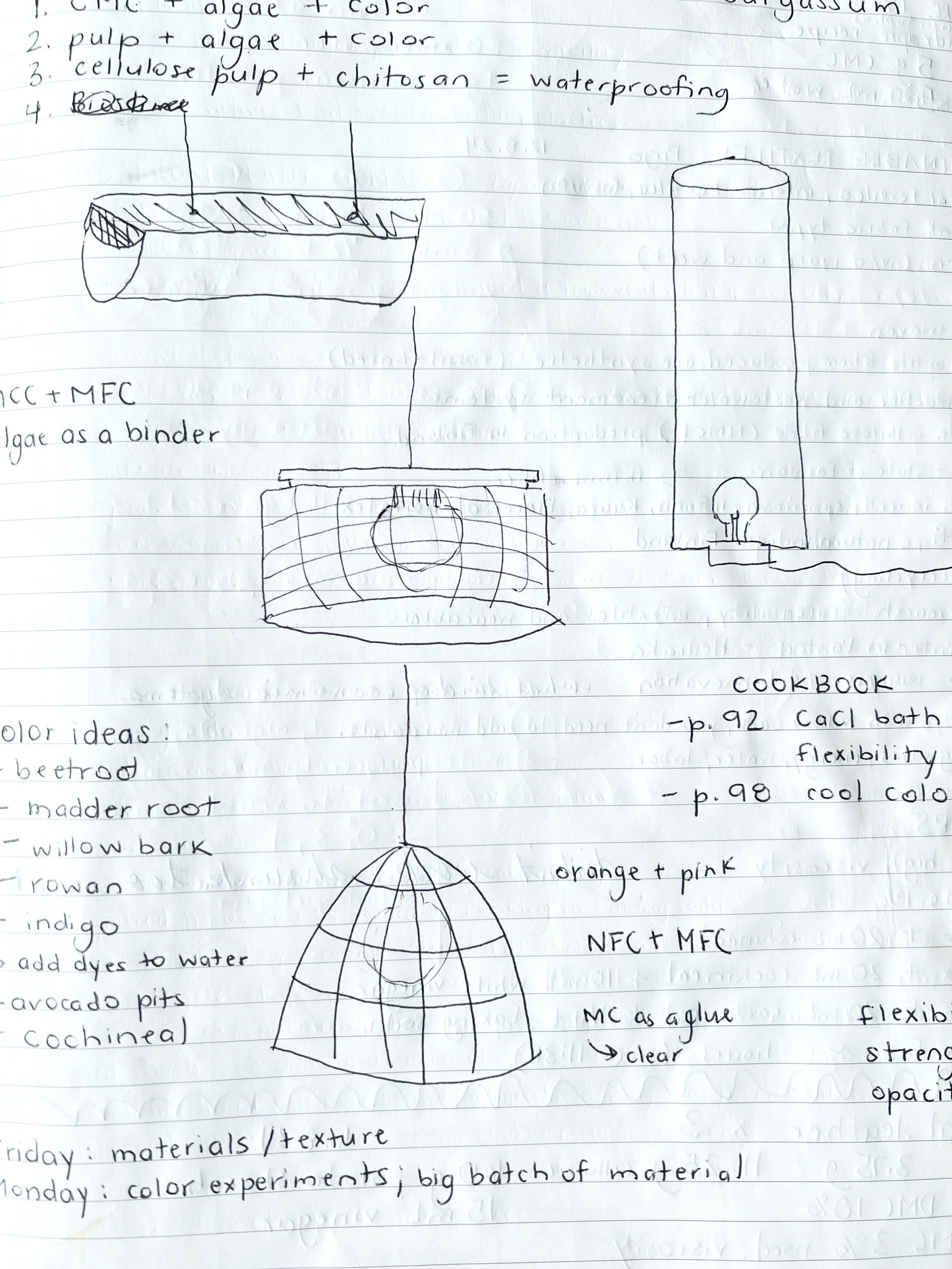
Prototyping notes. Originally, we had planned to make a lampshade, but that evolved as the material changed.
Translating Research into Visual Communication
This project prompted me to reconsider the assumption that globalization necessitates a singular solution for replacing, for example, synthetic fabrics. Instead, it highlighted the value of looking to the past and to the local environment to gain insight into how communities historically utilized local, vernacular materials to meet their needs and to reconsider the idea that bigger scale is always better. Exploring biomaterials in the Nordic context deepened my understanding of this approach and illustrated how we might draw on historic knowledge to inform contemporary, sustainable practices.