material design
〰️
material design 〰️
Material experiments at the intersection of chemistry and art
Rainer Paananen, Aalto University
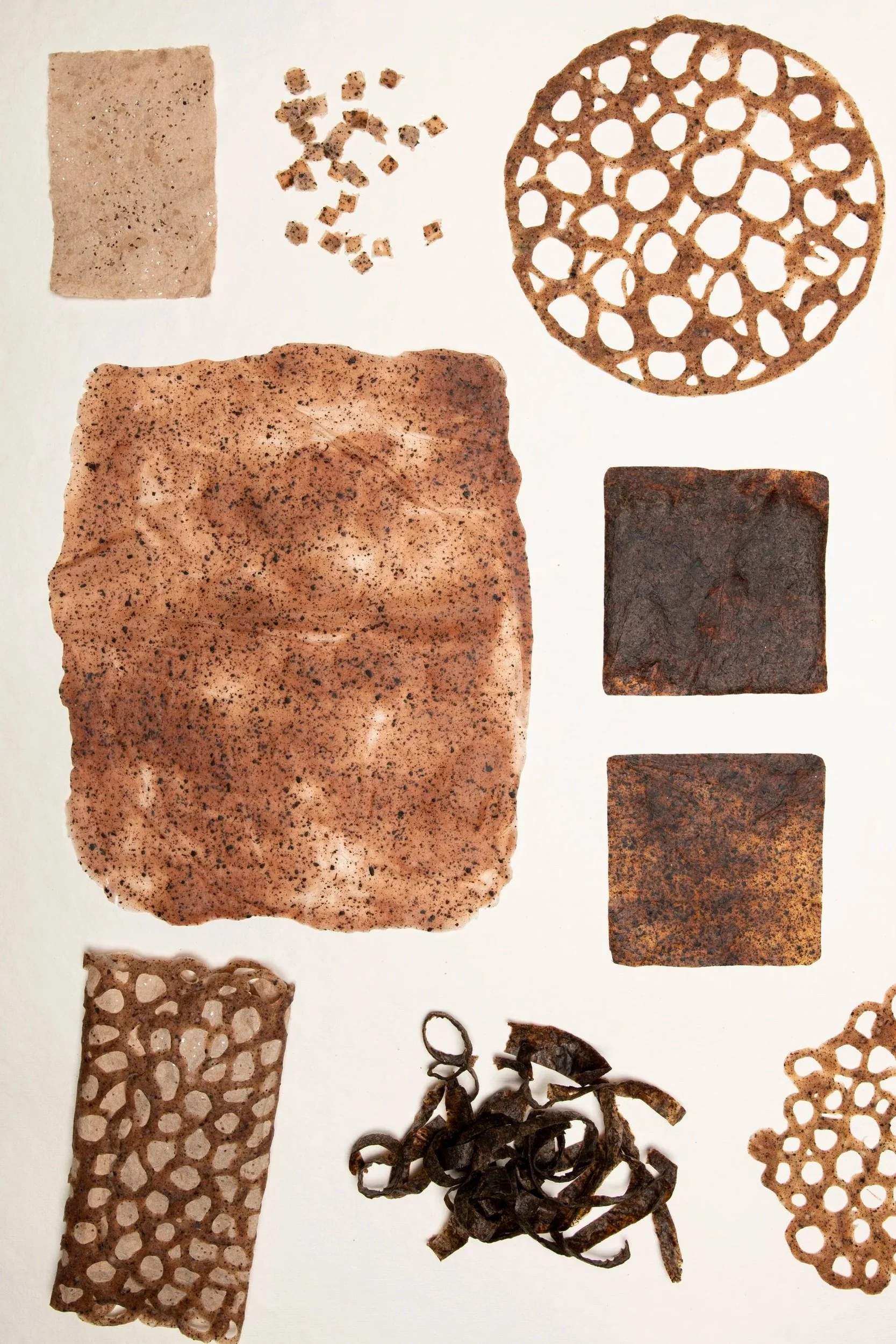
A secret world hides beneath the surface of the sea, full of microscopic organisms that produce the majority of the oxygen we breathe on earth and are the foundation of the marine food web. Some glow with bioluminescence, some build crystalline shells; some, with millions of their kind, form natural wonders like the Great Cliffs of Dover. Others are toxic to humans, causing amnesia (Pseudo-nitzschia spp.) or paralysis (Alexandrium spp.). In large quantities, algal blooms can lead to eutrophication and environmental degradation, happening more and more frequently in the Sargasso Sea. What if there was a way to make something useful out of this excess? Algae has many applications - could we use it to replace fossil-based or animal-based items? Through iterative material testing and experimentation, I investigated how waste biomass could be transformed into a functional, bio-based material.
Biomaterial exploration with macroalgae
primary role
biomaterials designer
time frame
2024
skills
biomaterials experimentation, material prototyping, natural dyes, iterative making and testing, teamwork
Process
With my background studying microplastics, which can shed off our clothing and are increasingly recognized as a macro issue, and my partner’s work analyzing flame retardancy in textiles and it’s circular economy potential, we set out to develop a material that was: algal-based, textile-inspired, with a non-toxic coating, colorful, and aesthetic.
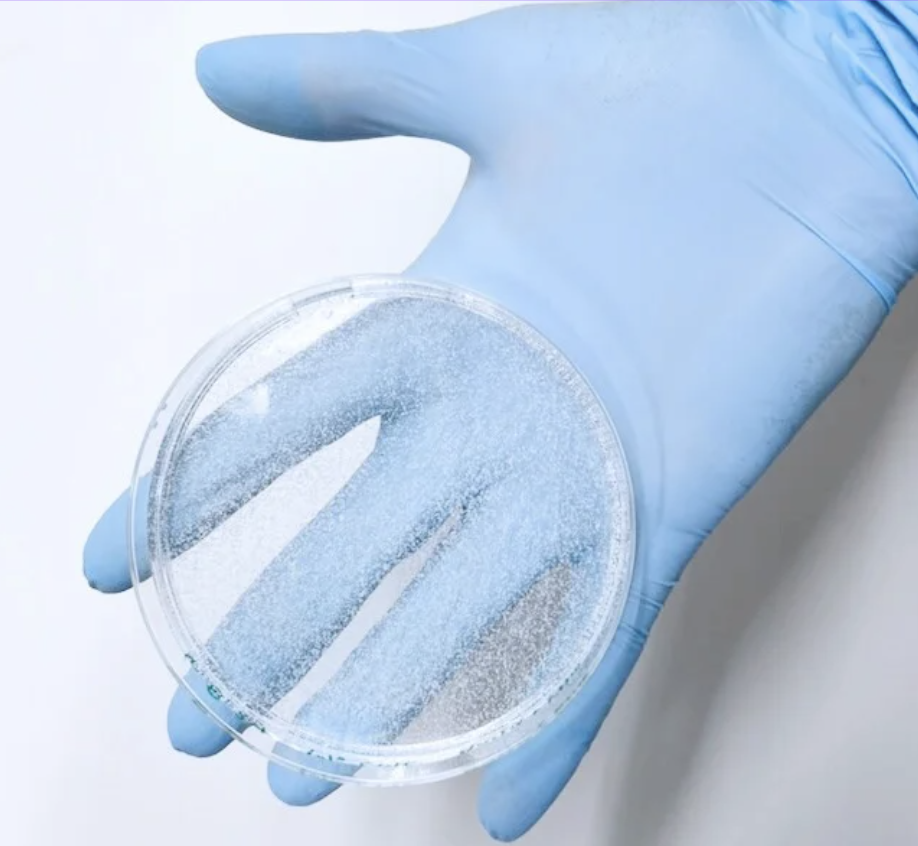
To begin to understand the properties of biomaterials like CMC, MCC, and MFC, we experimented with making film, foam, and solid tubes from recipes in the Chemarts Cookbook.
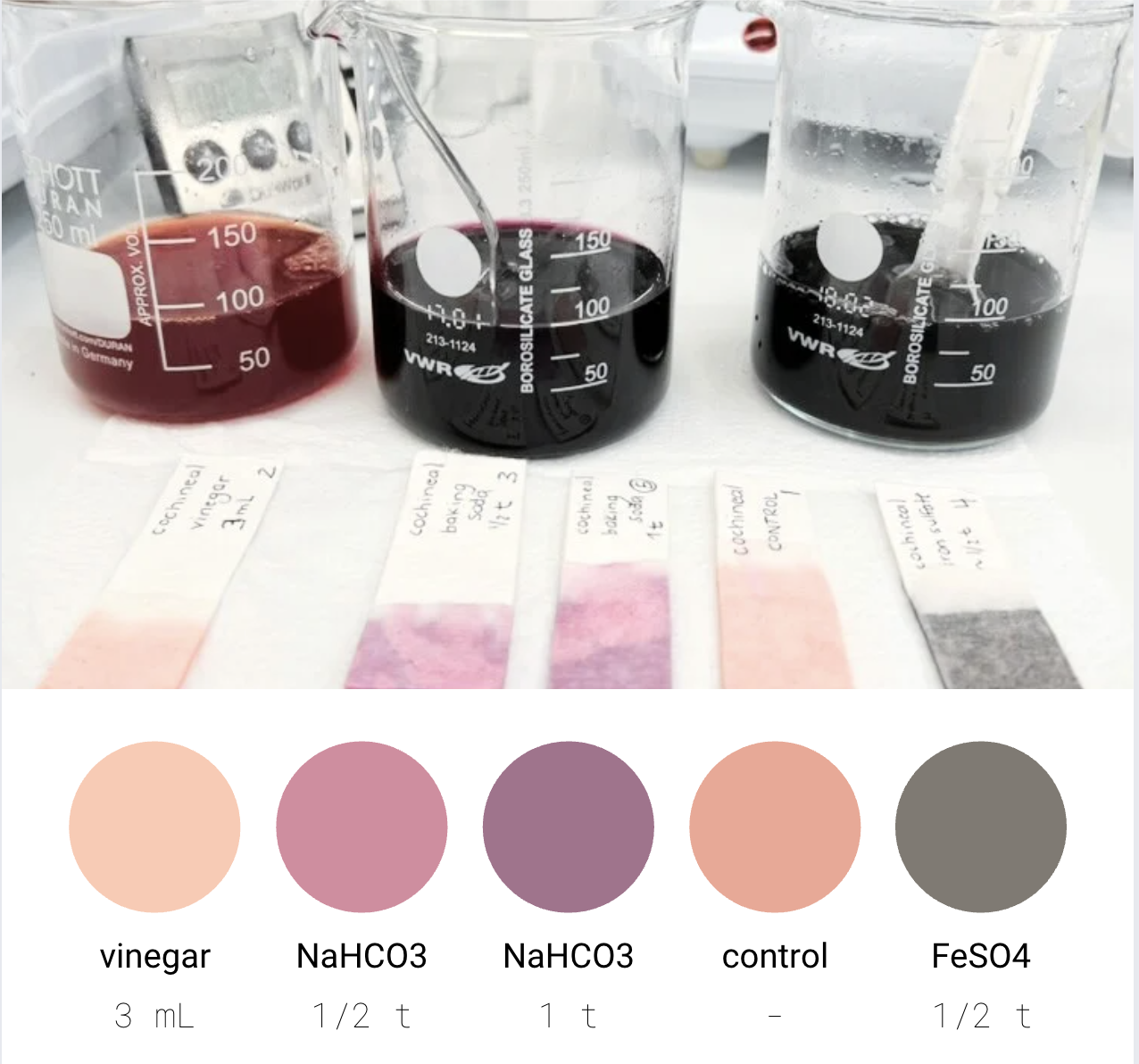
With the hope of dyeing our material, we explored natural dyes. Playing with the pH of cochineal produced a beautiful variety of purples and pinks as well as a nice grayish black.